


Do TPU Inner Tubes Puncture Easily on Real Rides?
A 35g inner tube is a tempting upgrade when every gram in your saddle bag or jersey pocket matters. But do TPU inner tubes puncture easily once they are fitted to a real-world road, gravel track or trail? Not necessarily. They are not puncture-proof, and their ultra-thin construction demands better tyre checks and more careful fitting than a standard butyl tube. Yet a quality TPU tube can be a dependable, highly compact spare when you match it to the right tyre, pressure and repair setup.
Do TPU Inner Tubes Puncture Easily Compared With Butyl?
The short answer is that TPU tubes can puncture, but they do not automatically puncture more easily than butyl tubes. TPU, or thermoplastic polyurethane, is a tough, flexible material with good resistance to tearing for its weight. A TPU tube achieves its low weight by using very little material, however, so there is less thickness between a sharp object and the air inside.
With a comparable puncture from a thorn, flint, glass shard or wire, the outcome depends on the tyre casing, tread thickness and the angle at which the object enters. The tyre is your first line of defence. The tube only becomes involved once debris has made its way through it.
A robust commuting tyre with a protective belt will do far more for puncture prevention than choosing between TPU and butyl alone. Conversely, a lightweight race tyre with a thin tread can leave either tube exposed on dirty winter lanes. TPU is best viewed as a performance-focused tube material, not as a substitute for suitable tyres and routine inspection.
The area where some riders notice a difference is pinch flats. A hard impact can compress the tyre against the rim and damage any inner tube. TPU can be highly elastic, but it is still thin and can be cut or split by a severe rim strike. Correct pressure, tyre volume and riding line remain the reliable defence, especially on potholes, rocky bridleways and fast gravel descents.
Why TPU Tubes Get a Reputation for Flats
The reputation often comes from three things: installation damage, unsuitable tyre condition and a lack of roadside preparation. None is unique to TPU, but the smaller margin for error makes them more noticeable.
Small fitting mistakes matter more
A TPU tube can get trapped beneath the tyre bead during installation. Inflate it fully in that position and the tube may burst or develop a weak point. This is easy to avoid: fit the tube with just enough air to give it shape, work the final section of bead on without aggressive levering, then inspect both sides of the rim before bringing it up to pressure.
Tyre levers deserve attention too. Metal levers can nick a tube if used carelessly, while forceful fitting can pinch it between the lever and rim. A quality tyre lever, steady technique and a correctly sized tyre make the job much cleaner. If a tyre is exceptionally tight on a particular wheel, carry a tube that you are confident you can install at the roadside rather than discovering the issue in the rain.
Debris can stay hidden in the tyre
Replacing a punctured tube without finding the cause is the classic way to get a second flat five minutes later. Run your fingers carefully around the inside of the tyre, checking for embedded glass, thorns, sharp flints and wire. Inspect the outside under good light as well.
Also check the rim tape. A displaced tape edge, exposed spoke hole or sharp rim defect can puncture a tube from the inside. If the hole in the old tube lines up with the rim, investigate the wheel rather than blaming the new TPU tube.
Pressure changes the risk
Low pressure increases the chance of tyre squirm and rim impacts. Excessively high pressure can make the ride harsher and may drive sharp debris through the tyre more readily, while also exceeding the safe limit of the tyre or rim. Use the pressure range printed on the tyre as a starting point, then adjust for rider weight, load, tyre width, surface and weather.
For UK roads, where broken tarmac and hidden potholes are part of the route, a sensible pressure is often faster and safer than simply pumping to the maximum. Wider tyres at an appropriate pressure give the tube and wheel a better chance of surviving impacts.
Where TPU Tubes Make Most Sense
TPU tubes are particularly strong as compact emergency spares. A folded TPU tube occupies a fraction of the space of a butyl equivalent, leaving room for a multi-tool, tyre levers, patches and inflation equipment in a small saddle bag. For road riders, club runs, sportives and long-distance events, that space and weight saving is a genuine advantage.
They also suit riders who want lower rotating weight without moving to a full tubeless setup. On a road bike with compatible clincher tyres and sound rim tape, a TPU tube can provide a sharp, efficient feel while keeping the repair process familiar.
For gravel and mountain bike use, the calculation is more dependent on terrain and tyre volume. TPU makes an excellent backup for a tubeless tyre that has suffered a cut too large for sealant or a plug. It is less likely to be the first choice as the everyday solution for aggressive, low-pressure riding where impacts are frequent. If you ride rocky trails, a higher-volume tyre, suitable casing protection and tubeless sealant may offer greater day-to-day resilience.
Rim-brake riders should check the tube manufacturer's guidance before fitting. Heat management varies by tube design, rim material and braking conditions, particularly on long descents. The same applies to tyre width, rim compatibility and maximum inflation pressure. Professional-grade equipment works best when the specification is followed, not guessed.
How to Fit a TPU Tube Without Creating a Puncture
Start by removing the cause of the original flat. Then inspect the tyre bead, rim tape and valve hole before the new tube goes anywhere near the wheel. Add a small amount of air to the TPU tube so it holds a round shape, but do not inflate it enough to stretch it tight.
Insert the valve first and make sure it sits straight in the rim. Tuck the tube evenly into the tyre, then fit the bead with your hands wherever possible. As the final section becomes tight, push the fitted parts of the bead into the rim's central channel. That creates valuable slack and reduces the temptation to force it with a lever.
Before inflating, go around both sides of the wheel and lift the tyre edge slightly to confirm no tube is visible or trapped. Inflate in stages, checking that the bead is seated evenly. If the tube has a removable valve core, make sure it is properly tightened before use. A valve-core tool is small, precise and worth carrying.
Do not assume every pump head or inflator works identically with every TPU valve. Some tubes use dedicated valve designs, and some manufacturers set limits or instructions for CO2 use. Follow the tube maker's recommendations. If you use a CO2 inflator in an emergency, a compact mini pump is still useful for checking and topping up pressure later.
Can You Repair a Punctured TPU Tube?
Usually, yes, but use a repair kit designed specifically for TPU. Traditional butyl patches and vulcanising glue are not a guaranteed match for TPU material. A TPU-specific patch system is made to bond correctly and is far more dependable than improvising at the roadside.
Preparation decides whether the repair lasts. Locate the hole, clean and fully dry the area, then follow the patch kit instructions exactly. Small punctures can be repaired effectively, but a split near the valve, a long tear or damage caused by a trapped bead may mean replacement is the safer choice.
For riders carrying TPU tubes as their primary spare, a compact repair kit should travel with them. It adds very little bulk and turns one spare tube into a more capable puncture plan. If conditions are especially rough or the ride is remote, carrying a second tube remains sensible.
Build a Puncture Setup That Matches Your Ride
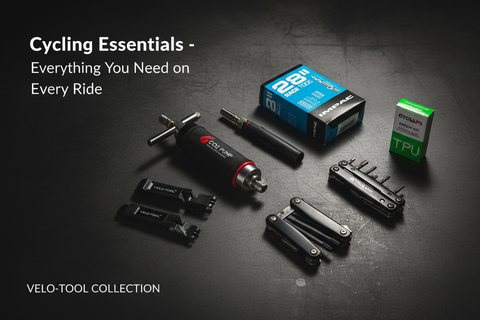
The best puncture protection is a system, not a single product. Your tyre choice, rim tape, inflation pressure, tube or tubeless setup and repair tools all work together. For a fast road ride, that may mean a quality TPU spare, tyre levers, a TPU patch kit, valve-core tool and a reliable inflator. For mixed-surface or mountain bike riding, add tubeless plugs, sealant and a backup tube capable of getting you home after a larger tyre cut.
Check your spares before the ride season starts. Make sure the tube matches your wheel size and tyre-width range, the valve is long enough for your rim, and the repair kit has not been lost at the bottom of a bag. A compact, professional-grade setup from Velo-Tool keeps those essentials together when a puncture interrupts the plan.
TPU tubes reward riders who prepare well: inspect the tyre, fit with care, run sensible pressure and carry the right repair equipment. Do that, and their tiny packed size and low weight become practical advantages rather than a compromise you worry about every time the road turns rough.


Post Comment