


Are TPU Inner Tubes Worth Carrying on Rides?
A spare tube is easy to ignore until a wet roadside puncture turns a good ride into a long walk home. TPU inner tubes are designed to make that essential backup far easier to carry: they weigh very little, occupy minimal jersey-pocket space and provide a dependable inflation option when tubeless sealant cannot close a hole.
For road, gravel and performance-focused riders, that compact size is the immediate advantage. But TPU is not simply a lighter version of butyl. It needs careful sizing, compatible fitting and sensible inflation to deliver the reliability that makes it worth carrying.
What are TPU inner tubes?
TPU stands for thermoplastic polyurethane, a high-performance polymer used where low weight, strength and flexibility matter. In an inner tube, it creates a much thinner wall than conventional butyl rubber while retaining enough air pressure for regular riding. The result is a tube that can often be folded into a fraction of the volume of a standard spare.
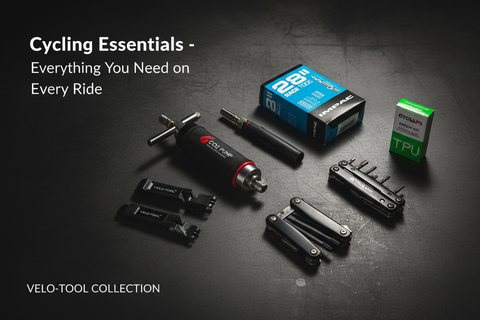
That matters when your ride setup already includes a mini pump or CO2 inflator, multitool, tyre levers, tubeless plugs, mobile phone and nutrition. Reducing the bulk of a spare tube makes it easier to carry the equipment that solves real roadside problems without filling every pocket or saddlebag.
TPU tubes are widely available for road, gravel and mountain-bike wheel sizes. Some are intended as emergency spares, while others are built for daily use. Always check the stated wheel diameter, tyre-width range and valve length before fitting. A tube that is ultra-light but wrong for your rim or tyre is not a performance upgrade.
Why TPU inner tubes appeal to performance riders
The headline benefit is weight. Depending on tyre size, a TPU tube can save a substantial amount against a standard butyl equivalent. On a road bike, two tubes can remove noticeable rotating mass without changing tyres, wheels or drivetrain components.
Packing size can be just as valuable. A compact TPU spare leaves room for proper puncture equipment rather than forcing an either-or decision between a tube, inflator and repair kit. For riders on long road loops, bikepacking trips or fast gravel rides, that extra capacity supports better preparation.
TPU also has a low rolling-resistance reputation compared with conventional butyl. The real difference on the road depends on tyre construction, pressure, surface condition and rider weight, so it should not be treated as a guaranteed race-winning gain. Still, it is a sensible option for riders refining an efficient tyre setup.
There is also a practical advantage for tubeless riders. A tubeless repair plug is often the quickest solution for a small tread puncture, but a large sidewall cut, damaged valve or stubborn bead leak can require a tube. A tiny TPU spare is much easier to justify carrying on every ride than a bulky standard tube.
The trade-offs to understand before fitting
Lightweight equipment rewards good handling. TPU is tougher than its thin appearance suggests, but it is less forgiving of poor installation than a thicker butyl tube. Pinching it beneath the tyre bead, catching it with a tyre lever or installing it into a tyre with a sharp thorn still inside can cause an immediate puncture.
Heat is another consideration. On long descents, rim-brake riders can generate significant heat at the braking surface. Not every TPU tube is approved for rim-brake use, and some are specifically intended for disc-brake bikes only. Follow the tube manufacturer’s temperature and brake guidance rather than assuming all TPU products have the same limits.
Air retention varies by product. Some TPU tubes hold pressure exceptionally well; others may need checking more often than a quality butyl tube. This is rarely a concern for a spare carried in a pack, but riders using TPU tubes full-time should make tyre-pressure checks part of their pre-ride routine.
Repairability is also different. Standard puncture patches designed for butyl rubber generally do not bond properly to TPU. If a TPU tube can be repaired, it needs the manufacturer’s dedicated patch system and a clean, dry surface. For many riders, especially those using a TPU tube as an emergency spare, replacement is the more straightforward choice after a puncture.
Choosing the right TPU inner tube
Start with wheel size and tyre width. A 700c road tube is not automatically suitable for every 700c tyre, and gravel widths can sit outside a narrow road tube’s safe range. Mountain-bike tubes need equally close attention to diameter and width, particularly with wide trail tyres.
Valve length matters on deeper-section road and gravel rims. Measure the rim depth and choose a Presta valve that extends sufficiently beyond the rim to attach your pump head or CO2 inflator securely. An extender can work in some setups, but an appropriately sized valve is simpler and more reliable at the roadside.
Next, decide whether the tube is for everyday riding or reserve duty. If it will live in a saddlebag as a tubeless fallback, prioritise the smallest packed size, correct valve and stated compatibility. If it will be fitted permanently, consider the tyre pressures you run, your brake type, the surfaces you ride and whether the manufacturer positions the tube for regular use.
Do not buy solely by gram count. A few grams saved are meaningless if the tube has a valve too short for your rims or a width range that is too narrow for your tyres. Precision starts with compatibility.
How to fit TPU inner tubes without damaging them
A careful installation takes only a few more minutes than fitting butyl and prevents most avoidable failures. First, remove the cause of the puncture. Run your fingers cautiously around the inside of the tyre, inspect the tread and sidewalls, and check the rim tape for gaps, lifted edges or exposed spoke holes.
Partially inflate the TPU tube until it has just enough shape to avoid twisting. Insert the valve through the rim, then fit the tube evenly into the tyre cavity. Starting opposite the valve, work the tyre bead onto the rim with your hands where possible. Keep the already-fitted section pushed into the rim’s central channel, which creates the slack needed for the final section.
Avoid forcing the last part of the bead with aggressive lever use. If a lever is necessary, use it with care and make sure it is lifting only the tyre bead, not trapping the tube against the rim. Before inflating, push the valve gently upwards into the tyre, then pull it back into position. This helps prevent the tube sitting pinched beneath the bead at the valve.
Inflate in stages. Add enough air to give the tyre shape, inspect both sides to confirm the bead is evenly seated, then bring it up to your chosen pressure. Check the maximum pressure printed on both tyre and tube, using the lower limit where they differ.
Building a puncture kit around a TPU spare
A TPU tube is most useful as part of a complete, compact repair system. For a tube-type bike, carry tyre levers, an inflation source and a way to locate or manage a puncture. For tubeless, add tyre plugs and consider a small sealant top-up for longer rides.
A practical ride-ready setup includes:
- One correctly sized TPU inner tube with the right Presta valve length.
- A compact pump or a controlled CO2 inflator with a suitable cartridge.
- Tyre levers that can remove a tight bead without damaging the rim.
- Tubeless plugs if you run sealant, plus a valve-core tool where space allows.
- A small patch kit appropriate to the tube material you are carrying.
CO2 is excellent for getting moving quickly, particularly in poor weather or during an event. However, use the inflator carefully, as rapid discharge can freeze the cartridge and valve area. Once home, check the repaired wheel and set pressure again with a track pump. That is good practice with any tube, not just TPU.
Are TPU inner tubes right for your bike?
For a road rider chasing a lighter, cleaner pocket setup, TPU makes strong sense. For gravel and MTB riders, it is an especially smart emergency spare alongside tubeless plugs and sealant, because it takes so little room while providing a genuine ride-saving option.
For commuting, touring or everyday utility bikes, standard butyl may still be the better value choice. It is inexpensive, widely repairable and forgiving during rushed repairs. There is no single correct answer: a TPU tube offers premium portability, while butyl offers simple, familiar durability.
The best spare is the one that matches your wheel, fits your tyre, works with your inflator and is actually with you when the puncture happens. Pack it properly, practise fitting it at home once, and every ride starts with a little more confidence.


Post Comment