


Is a Mini Electric Bike Pump Worth Carrying?
A puncture at the roadside is rarely difficult because of the repair itself. The frustrating part is often getting a tyre back to a rideable pressure with cold hands, fading daylight and a group already rolling away. A mini electric bike pump is built to remove that final struggle: connect it, set the target pressure and let the pump do the work while you check the tyre and pack your repair kit.
For road riders chasing accurate pressures, gravel riders balancing grip with rolling speed, and mountain bikers repairing tubeless punctures away from the car, it can be a genuinely useful upgrade. It is not the right answer for every ride, though. Battery capacity, inflation speed, carried weight and tyre volume all matter.
What a mini electric bike pump does differently
A compact electric pump uses a rechargeable battery and small internal motor to inflate a tyre without manual pumping or a single-use CO2 cartridge. Most are designed around a digital pressure display, allowing you to monitor the pressure as you inflate and stop at a chosen PSI or bar figure.
That precision is the biggest practical benefit. On a road bike, a few PSI can change the feel of the ride, particularly with wider modern tyres run at lower pressures. On gravel and MTB tyres, accurate pressure supports grip and comfort while helping prevent rim strikes. A hand pump can certainly get the job done, but judging pressure by feel at the roadside is less reliable.
There is also the convenience factor. After fitting a tube, inserting a tubeless plug or topping up a soft tyre before a commute, an electric pump saves effort. This is particularly welcome on long rides, when a traditional mini pump can feel slow and demanding just when you want to get moving again.
Where an electric mini pump earns its place
A mini electric bike pump makes most sense when it solves a repeated problem in your riding. Road and club riders often value its ability to return a tyre to a consistent higher pressure without carrying several cartridges. It is useful for riders using TPU inner tubes too, as careful pressure control helps avoid over-inflation.
For gravel riders, it offers flexibility. You can begin a route with a lower pressure for loose tracks, then add air before a long tarmac section if your setup and route call for it. That is not something most riders will do every day, but it shows the advantage of having controllable inflation rather than one fixed CO2 discharge.
Mountain bikers may find it most useful as part of a larger trailside system: tubeless plugs, valve-core tool, spare tube, tyre levers and a pump packed together. A plug may seal a puncture, but it will not restore the lost air. The ability to reinflate without exhausting yourself with a small hand pump can turn a potential walk-out into a quick reset.
Commuters and leisure riders should not overlook them either. If your bike lives in a flat, office or shed with limited storage, a compact rechargeable pump can also cover routine top-ups at home. It is not a replacement for a full-size track pump when servicing several bikes, but it is far more likely to be used if it is ready in a drawer or bag.
Check tyre volume, pressure and real-world capacity
Small electric pumps are impressive, but they work within limits. A narrow road tyre requires less air volume than a 2.4-inch mountain bike tyre, so the same pump will inflate the latter more slowly and draw more from its battery. Manufacturers may quote a maximum pressure that looks ideal for road use, but maximum pressure and useful capacity are not the same thing.
Think about the tyre you actually ride. A rider with 28 mm road tyres might reasonably expect a compact pump to manage a puncture repair and still have reserve power. A rider on high-volume 29er MTB tyres should focus on whether it can provide enough air for one proper emergency inflation, rather than expecting repeated full inflations on a single charge.
Inflation time matters too. A mini electric pump is usually quicker and easier than a hand pump for reaching a useful pressure, but it is not a workshop compressor. The smaller the unit, the more likely it is to trade speed for low weight and pocket-friendly dimensions. That is a fair exchange for a saddle bag or jersey pocket, provided your expectations match the job.
Battery management is part of the deal. Charge the pump before a big ride, especially if it has been sitting unused for several weeks. Cold weather can reduce battery performance, so winter riders should avoid treating the displayed battery level as a guaranteed number of inflations. If your event, route or remote trail leaves no margin for error, carrying a compact manual pump or a CO2 inflator as a backup remains sensible.
Valve compatibility and attachment details matter
Most performance bikes in the UK use Presta valves, while Schrader valves are common on some commuter, hybrid and kids' bikes. Before buying, confirm that the pump head works directly with your valve type or includes the required adaptor. A pump that is compact but fiddly at the valve is not a professional-grade roadside tool.
Look at how the head attaches as well. A threaded connection can provide a secure seal on Presta valves, particularly when you are trying to avoid bending a delicate valve stem. However, it may be slower to fit than a push-on head. Push-on systems are fast, but need to hold firmly without leaking air or stressing the valve.
For tubeless riders, a removable valve core adds another consideration. If a tyre needs seating after a larger repair, removing the core can improve airflow, but a mini electric pump may still lack the initial high-volume blast needed to seat a stubborn tyre bead. For that job, a track pump with an air chamber or a workshop compressor is usually the better tool. Use the mini pump for what it does best: controlled inflation after the tyre is already seated.
Electric pump, CO2 inflator or manual pump?
There is no single winner because each system solves a slightly different problem. CO2 is still the fastest and lightest emergency option for many road riders. A compact CNC aluminium inflator and one or two threaded cartridges take very little space, deliver a fast burst of air and need no charging. The trade-off is that cartridges are consumable, pressure control is less exact and a mistake can leave you without a second chance.
A manual mini pump is dependable because it has no battery to charge and no cartridge to replace. It is a strong choice for touring, bikepacking and long-distance riding where self-sufficiency matters more than speed. Its downside is effort, especially with high-pressure road tyres or larger tubeless setups.
The mini electric bike pump sits between those options. It is reusable, precise and low-effort, but depends on charged battery power. For many regular riders, the strongest setup is not choosing one tool in isolation. An electric pump can be the primary inflation tool, supported by a repair kit and, for important rides, a lightweight backup. That approach adds a little carried weight but greatly reduces the chance that one flat ends the day.
Choosing a pump you will actually carry
The best pump is the one that fits your riding routine. Check dimensions against your saddle bag, tool roll or frame storage before focusing on headline specifications. A few extra grams are rarely noticeable; a pump that will not fit beside your tube, levers and tubeless plugs is a problem.
Prioritise a clear display, simple controls and a durable housing that can handle being packed next to tools. A protective storage bag is worthwhile, as grit around the hose or valve head can lead to poor seals over time. USB charging is useful for home and travel, but check the cable type you already use so charging remains straightforward.
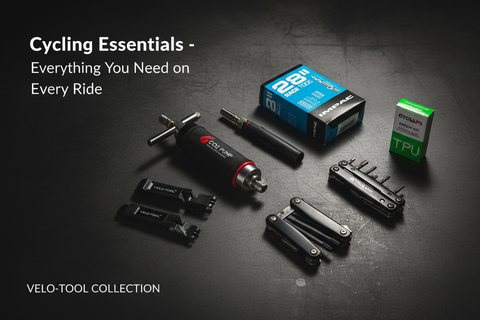
Velo-Tool riders building a complete roadside kit should also consider the whole repair sequence. You need a way to remove the wheel if required, locate and seal the puncture, manage the valve, inflate accurately and stow everything securely. A professional-looking tool is valuable, but dependable preparation is what gets you home.
Before relying on a new pump during a big ride, test it in the garage. Inflate one of your own tyres from low pressure and learn how the connection feels, how loud the pump is and how much battery it uses. That five-minute check turns a compact gadget into equipment you can trust when the rain starts and the nearest bike shop is miles away.
A mini electric bike pump is not about carrying more kit for its own sake. It is about replacing roadside uncertainty with a small, precise tool that lets you repair the puncture, set the pressure you want and keep the ride moving.


Post Comment