


Chain Wax Versus Lube: Which Suits Your Ride?
A clean, quiet chain feels fast, but the product you put on it has a bigger effect than most riders expect. The choice of chain wax versus lube shapes how quickly your drivetrain gathers grime, how often it needs attention and how well it copes with a wet commute, a dusty trail or a long club run.
Neither option wins in every condition. Wax can keep a drivetrain remarkably clean and efficient when applied properly. Traditional wet and dry lubes are quicker to use, more forgiving and often better suited to changeable British weather. The best treatment is the one that matches your riding, maintenance routine and willingness to start with a properly degreased chain.
Chain Wax Versus Lube: The Core Difference
Chain lube works by leaving a lubricating film inside the rollers, pins and plates. Most drip lubes use a carrier fluid to help the lubricant penetrate the chain. That carrier then evaporates, leaving wet or dry lubricating ingredients behind.
Chain wax uses wax particles or molten wax to coat the chain internally and externally. Once it sets, the wax creates a dry layer that sheds dust far better than an oily coating. It also tends to run quietly when the chain is clean and correctly treated.
The practical difference is simple. Lube is generally the faster, lower-preparation option. Wax demands more work at the start, but can reduce the black paste that builds up around jockey wheels, chainrings and cassettes.
Why Wax Appeals to Performance Riders
Waxing has become popular with road, gravel and fair-weather mountain bike riders for good reason. A waxed chain stays noticeably cleaner in dry conditions. Grit is less likely to cling to the outside of the links, so there is less abrasive contamination working its way through the drivetrain.
That matters because a chain does not merely become noisy when it is dirty. Grit accelerates wear on the chain, cassette and chainrings. Replacing a worn chain at the right interval is already good maintenance; keeping contamination down helps protect the more expensive parts behind it.
Wax can also be an efficient choice for riders who enjoy a controlled home-maintenance routine. Once the initial degreasing is complete, re-waxing can be straightforward. Some riders rotate two or three chains, treating them in batches so a fresh chain is always ready for the next ride.
The downside is that preparation is not optional. Wax will not perform properly on a chain that still contains factory grease or remnants of old oil-based lubricant. The chain needs a thorough degrease, rinse and complete dry before its first wax treatment. Skipping that stage leaves contamination trapped inside the rollers and undermines the point of waxing.
Drip wax and hot wax
Drip wax is the easier entry point. It is applied much like a standard chain lube, usually one drop per roller, then left to dry fully. It delivers many of wax's cleanliness benefits without removing the chain or using a dedicated melting pot.
Hot wax involves immersing a fully clean chain in melted wax. It takes more equipment and more preparation, but it gives full coverage inside the chain. For high-mileage road riders and riders who like precise workshop habits, it can be an excellent system. For someone maintaining a bike in a flat with limited time, drip wax may be the more realistic choice.
Where Chain Lube Still Makes Sense
Traditional chain lube remains the dependable all-rounder, especially for UK cyclists. It is easy to carry, quick to apply and available in formulas designed for wet, dry or mixed conditions. A small bottle fits easily in a home tool kit, while a compact amount can be useful on a multi-day tour.
Wet lube is designed to stay in place through rain, puddles and road spray. It is the sensible option for winter commuting, long rides where the forecast is uncertain and muddy mountain bike days. Its drawback is that its sticky film attracts dirt. Apply too much and a clean drivetrain can turn black after one damp ride.
Dry lube is thinner and cleaner-running than wet lube, making it useful in dry summer conditions. It usually needs topping up sooner, particularly after rain or repeated stream crossings. For many riders, this is not a problem. A quick wipe and careful reapplication after a ride is easier than committing to the deeper cleaning required before waxing.
All-condition lubes sit between the two. They are convenient for riders who own one bike, ride through every season and want a practical answer rather than a specialist routine. They may not match a dedicated wet lube in relentless rain or a well-managed wax treatment in dry dust, but convenience is a performance benefit when it means maintenance actually gets done.
Choose by Riding Conditions, Not Hype
Your route should make the decision easier. A dry-road rider completing regular weekend mileage can get excellent results from drip wax or hot wax. The drivetrain stays clean, trousers stay cleaner and post-ride wiping is minimal.
A year-round commuter faces a different job. Road grit, standing water and salty winter spray can wash away a dry wax coating quickly. A quality wet or all-weather lube provides more reliable protection, provided excess is wiped off after application. The aim is lubricant inside the chain, not a glossy layer on its outer plates.
Gravel riding is more dependent on conditions. In dry, dusty terrain, wax has a clear advantage because it does not create a grinding paste from fine dust. On wet British bridleways, a wet lube may be the safer choice. If your gravel rides regularly start dry and finish through rain-soaked lanes, an all-condition lube is often the sensible compromise.
Mountain bikers should think about mud, water crossings and cleaning habits. Wax works very well for dry trail centres and dusty summer rides. For persistent mud and wet roots, use a wet-specific lube and clean the bike promptly afterwards. No treatment can protect a drivetrain indefinitely if it is left coated in abrasive mud.
Application Matters More Than the Label
A premium lubricant cannot compensate for poor application. Before applying either product, wipe the chain with a clean, lint-free cloth. If it is visibly dirty, use a proper drivetrain cleaner and a chain-cleaning tool or brush rather than adding fresh product over old grime.
With lube, apply a small drop to each roller while back-pedalling. Give it time to penetrate, then wipe the outside of the chain thoroughly. This final wipe is where many riders lose efficiency. External lube attracts contamination, while the working surfaces are inside the chain.
With drip wax, follow the same careful one-drop-per-roller approach, but allow the product to cure for the full stated time before riding. Applying it ten minutes before leaving the house often leads to a noisy, short-lived treatment. An evening application before a morning ride is far more effective.
Hot wax requires chain removal, so a quality quick link and reliable chain tool are useful additions to a home maintenance set-up. Check whether your chosen quick link is designed for reuse and replace it when the manufacturer recommends. Precision matters here: forcing a worn or unsuitable link into service is a poor trade for a few saved minutes.
Cost, Time and Drivetrain Life
Wax is not automatically cheaper. The first treatment may require degreaser, containers, a waxing set-up and spare quick links. It pays back through cleaner components and potentially slower drivetrain wear, but only if you keep up the process.
Lube has a lower barrier to entry. One bottle, a cloth and a few minutes are enough to maintain a chain effectively. It may require more frequent cleaning, particularly with wet lube, but it remains the most practical route for many cyclists.
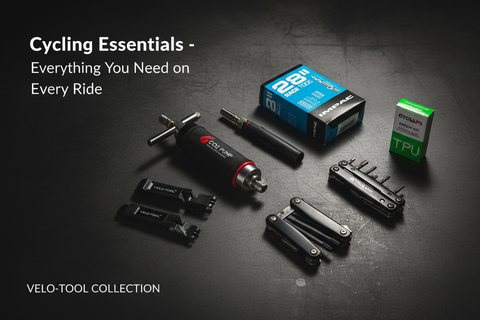
Whichever treatment you choose, measure chain wear rather than guessing. A compact chain wear gauge gives a clear signal before an elongated chain starts damaging the cassette. Pair that with the right chain tool, tyre repair kit and inflation solution, and routine maintenance becomes a quick, confident job rather than a workshop emergency.
The Best Choice Is the One You Will Maintain
Choose wax if you ride mostly in dry conditions, value a clean drivetrain and are happy to prepare the chain properly. Choose wet or all-condition lube if you ride through winter, commute in the rain or need a fast, forgiving maintenance routine. For mixed riding, there is no rule against using different treatments on different bikes.
A clean chain, a measured application and regular wear checks will deliver more for your ride than chasing a single miracle product. Keep the right tools close at hand, deal with contamination early and your drivetrain will reward you with quieter, smoother miles.


Inserisci commento