
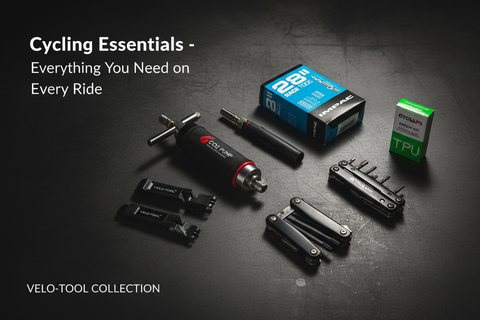

Electric Pump Installation Guide for UK Cyclists
Your Complete Guide to Electric Bike Pumps
Electric bike pumps are revolutionising roadside repairs and home maintenance for UK cyclists. This comprehensive guide covers everything you need to know about setting up, using, and maintaining your electric pump for optimal performance on British roads and trails.
What You'll Need
- Electric bike pump (fully charged)
- USB charging cable (usually USB-C or micro-USB)
- Valve adapter if needed (most include Presta/Schrader compatibility)
- User manual for pressure settings
- Clean cloth for maintenance
Initial Setup and Charging
- Unbox and Inspect: Check all components and ensure no damage during shipping
- Initial Charge: Fully charge your pump before first use (typically 2-4 hours)
- Check Pressure Range: Verify your pump's PSI range matches your cycling needs
- Test Operation: Run a quick test without connecting to ensure proper function
Step-by-Step Operation Guide
- Power On: Press and hold the power button until the display activates
- Select Pressure: Use +/- buttons to set your desired PSI
- Check Valve Type: Ensure your pump head matches your valve (Presta/Schrader)
- Connect Securely: Attach pump head to valve, ensuring a tight seal
- Start Inflation: Press the start button - pump will auto-stop at set pressure
- Monitor Progress: Watch the digital display for real-time pressure readings
- Disconnect Safely: Remove pump head quickly to minimise air loss
- Power Off: Turn off pump to preserve battery life
UK-Specific Pressure Guidelines
| Bike Type | Tyre Width | Recommended PSI | Electric Pump Advantage |
|---|---|---|---|
| Road Bike | 23-25mm | 100-120 PSI | Precise high-pressure inflation |
| Road Bike | 28-32mm | 80-100 PSI | Consistent pressure every time |
| Hybrid/Commuter | 35-40mm | 60-80 PSI | Quick daily top-ups |
| Mountain Bike | 2.0-2.5" | 25-50 PSI | Fast trail-side repairs |
UK Weather and Seasonal Considerations
- Cold Weather Performance: Battery life decreases in winter - keep pump warm when possible
- Wet Conditions: Most electric pumps are splash-resistant but avoid submersion
- Temperature Compensation: Pressure readings may vary with temperature changes
- Storage: Store in dry conditions to prevent moisture damage
Battery Management and Charging
- Charge Regularly: Don't let battery fully deplete - charge after every few uses
- Charging Time: Most pumps charge in 2-4 hours via USB
- Battery Indicator: Monitor battery level on display before rides
- Power Bank Compatible: Many pumps can be charged from portable power banks
- Cold Weather: Battery performance reduces in cold - consider backup options
Maintenance and Care
- Regular Cleaning: Wipe down after use, especially in muddy conditions
- Valve Head Care: Keep valve connections clean and free from debris
- Storage: Store in protective case if provided
- Firmware Updates: Some models support app-based updates
- Calibration: Check pressure accuracy periodically with separate gauge
Troubleshooting Common Issues
- Won't Turn On: Check battery charge and try holding power button longer
- Inaccurate Pressure: Allow pump to cool down between uses for accurate readings
- Slow Inflation: Check for air leaks at valve connection
- Auto-Stop Not Working: Ensure pressure sensor isn't blocked or damaged
- Overheating: Allow cooling time between multiple inflations
Safety Tips for UK Cyclists
- Never exceed your tyre's maximum pressure rating
- Allow pump to cool between multiple uses
- Keep pump dry and protected from road spray
- Carry backup manual pump for emergencies
- Check pressure when tyres reach ambient temperature
- Be aware of noise levels when using in residential areas
Advantages Over Traditional Pumps
- Precision: Digital pressure control eliminates guesswork
- Consistency: Same pressure every time, regardless of user strength
- Speed: Faster inflation, especially for high-pressure road tyres
- Convenience: Auto-stop feature prevents over-inflation
- Versatility: Many models work with cars, footballs, and other inflatables
When to Use Manual vs Electric
- Use Electric For: Home maintenance, pre-ride checks, quick top-ups
- Use Manual For: Long remote rides, backup option, weight-critical racing
- Combination Approach: Electric for convenience, manual for reliability
Need technical support? Contact our UK-based team for assistance with your Velo-Tool electric pump products. We're here to help you get the most from your investment.