

Are TPU Tubes Reliable for Everyday Cycling?
A spare inner tube should solve a puncture, not create a second problem at the roadside. So, are TPU tubes reliable? For most road, gravel and mountain bike riders, a quality TPU tube is a dependable, high-performance option when it is the correct size, fitted carefully and used within its stated pressure and temperature limits. They are not indestructible, and their lightweight construction asks for slightly better installation habits than a traditional butyl tube.
The payoff is compelling: far less weight and bulk in a saddle bag or tool storage case, with a ride feel that many cyclists find lively and efficient. That makes TPU especially useful as a premium spare tube, even for riders who prefer a different setup in their wheels day to day.
Are TPU tubes reliable in real riding?
TPU stands for thermoplastic polyurethane. It is a tough, flexible polymer that allows an inner tube to be made much thinner than a conventional butyl tube without simply becoming fragile. A typical TPU tube can pack down to a fraction of the volume of a butyl equivalent, which is valuable when every pocket in a jersey, frame bag or compact repair kit already has a job to do.
Reliability comes down to the same fundamentals as any inner tube: the tube must suit the tyre and rim, the tyre must be free from sharp debris, and installation must avoid trapping or twisting the material. A TPU tube fitted cleanly inside a sound tyre can cover plenty of trouble-free miles. It does not naturally suffer more punctures just because it is lighter.
That said, TPU is less forgiving of careless handling. Butyl has a thicker, more familiar feel and can tolerate a rougher fitment process. TPU tubes are often very thin, can cling to themselves, and may be damaged if a tyre lever catches them or if they are pinched under the bead. The difference is not a reason to avoid them. It is a reason to fit them with the same precision you would apply to a high-pressure tyre or a torque-critical component.

Where TPU tubes perform best
For road riders, TPU tubes make particular sense in high-pressure clincher setups. Their low weight reduces rotating mass, while their compact packed size means carrying two spares is realistic on a long club ride, sportive or touring day. They are also a strong option for gravel riders who want more room for tools, a CO2 inflator and tubeless repair equipment without filling every pocket.
Mountain bikers can benefit too, particularly as an emergency backup for a tubeless setup. A TPU tube takes very little space in a pack and can get a rider home after a tyre cut that a plug and sealant cannot contain. Check the tube's stated compatibility with your wheel size and tyre width before packing it. An undersized tube stretched well beyond its intended range is a false economy.
For commuters and everyday riders, the value is slightly different. A TPU tube is ideal when storage space is tight, such as a small waterproof pouch or minimalist saddle bag. If your bike is left outdoors for long periods or subjected to frequent rushed repairs, a standard butyl tube may still be the more forgiving fit-and-forget choice. Dependability is not only about material science - it is about choosing equipment that suits how you actually ride and maintain your bike.
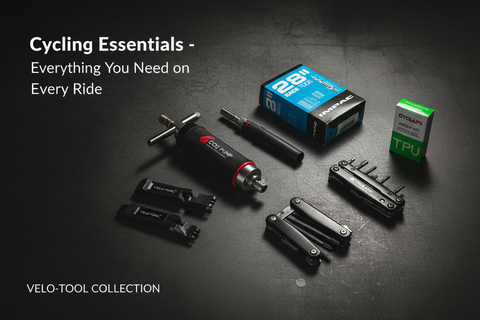
For a catalogue-matched option, explore the Velo-Tool TPU Inner Tube – 700C Road & Gravel Options. The listed road version covers 700 × 25–35C and the gravel version covers 700 × 35–45C. Road valve options are 44mm, 60mm and 80mm; gravel options are 44mm and 60mm. Confirm the selected combination and brake-system suitability before ordering. Product photos showing several valve lengths are examples, not a three-tube pack.

Puncture resistance is not the whole story
A TPU tube will not turn a worn tyre into a puncture-proof system. Most punctures begin at the tyre: glass, flint, wire, thorns or a damaged rim tape create the failure. Before fitting any replacement tube, inspect the inside of the tyre carefully, avoiding exposed sharp objects, and inspect the rim tape around the spoke holes. Missing the original culprit can puncture the new tube within minutes.
Tyre condition matters more than the label on the tube box. A quality tyre with adequate tread, intact casing and correct pressure will do more for reliability than swapping materials alone. If repeated punctures are affecting one wheel, investigate the tyre, rim tape and valve hole rather than blaming every failed tube.
The trade-offs worth knowing
TPU tubes cost more than basic butyl tubes. Their specialist material and compact manufacturing are part of the reason, but the real question is whether the space and weight saving matters to you. For a performance road bike or a minimalist trailside kit, it often does. For a utility bike where a tube lives in a large pannier and weight is not a concern, conventional butyl may offer better value.
Repairability is another consideration. TPU needs patches made specifically for TPU and a clean, dry surface. Traditional vulcanising patch kits are designed for butyl and may not bond reliably to polyurethane. Some TPU tubes are repairable with manufacturer-approved self-adhesive patches; others are best treated as a replacement item after serious damage. Carrying a purpose-made patch kit is sensible if you rely on TPU as your main tube.
The TPU Inner Tube Repair Kit – 6 Patches & 6g Glue contains six patches, 6g of adhesive, two cleaning pads, instructions and a storage box. It is a glue-based system, not a glueless kit. Check compatibility with your tube and follow its preparation and waiting instructions; do not assume an instant roadside repair.

Heat is an important technical caveat. Long, sustained braking on steep descents can generate significant rim heat, particularly with rim-brake wheels. Some TPU manufacturers set specific restrictions for rim-brake use or pressure limits because excess heat can affect the tube. Always follow the tube maker's instructions and the tyre's pressure range. Disc-brake riders do not have that rim-braking heat issue, but every rider should avoid overinflating a tube beyond the tyre or rim specification.
Finally, valves deserve attention. TPU tubes commonly use lightweight Presta valves, sometimes with removable cores and sometimes without. Choose a valve length that properly clears the rim profile and leaves enough stem for a pump head or CO2 inflator to attach securely. A valve extender may be necessary on deep-section rims, but compatibility varies. Test your inflation setup at home, rather than discovering a mismatch beside a wet roadside.
How to fit a TPU tube without damaging it
Good preparation turns TPU fitting into a straightforward job. Start by removing the damaged tube and checking the tyre, rim bed and rim tape thoroughly. Follow the tube manufacturer’s instructions for any inflation outside the tyre. Do not apply a generic unsupported-inflation pressure to every TPU tube. Add only the air permitted by those instructions.
Fit one tyre bead fully, place the tube inside as directed by its manufacturer, and feed the valve straight through the rim hole. Then work the second bead on with your hands where possible. Keep the already-fitted section pushed into the centre channel of the rim; this creates useful slack and reduces the temptation to use a lever near the final section.
If a tyre lever is genuinely needed, use it with restraint and keep it well away from the tube. Before inflating, go around both sides of the wheel and make sure no section of tube is visible beneath the tyre bead. Check that the valve sits straight rather than being trapped at an angle. Inflate in stages, checking that the bead is seated evenly all the way around.
For a roadside repair, choose an inflation method confirmed compatible with your tube and valve. If using CO2, follow the tube and inflator manufacturers' instructions. Rapidly expanding CO2 becomes extremely cold, so avoid holding an unprotected cartridge. Do not assume that every TPU tube permits CO2 inflation.

A practical spare-tube setup
A dependable puncture kit is not complicated. Pair a correctly sized TPU tube with tyre levers, a reliable inflation method, a small patch kit made for TPU, and a tubeless plug kit if you ride tubeless. Add a spare valve core if your setup uses removable cores. The whole package can remain compact enough to carry on every ride, which is where lightweight equipment earns its place.
Store TPU tubes in their protective sleeve or pouch, away from prolonged direct sunlight and sharp tools. Do not wrap them tightly around a metal CO2 cartridge or leave them loose beside a chain tool. The tube is durable when used as intended, but there is no benefit in asking it to survive unnecessary abrasion before it even reaches the wheel.

Should you choose TPU or butyl?
Choose TPU when compact storage, low weight and a premium emergency spare matter. It is particularly effective for performance bikes, long-distance rides, tubeless backups and riders who want a complete repair system that occupies minimal space. Choose butyl when lowest purchase cost, easy repair with standard patches and maximum tolerance for hurried fitting are your priorities.
Many experienced cyclists use both. They run TPU as the compact spare carried on the bike, while keeping a butyl tube in the workshop or larger travel kit. That approach is not indecisive; it matches each material to the job it handles best.
A well-fitted TPU tube is reliable enough to trust on demanding rides. Give it a clean tyre, the right pressure, compatible repair supplies and careful fitting, then it becomes exactly what a spare should be: compact reassurance that lets you keep moving when the ride changes plan.
Build your backup for the next group ride
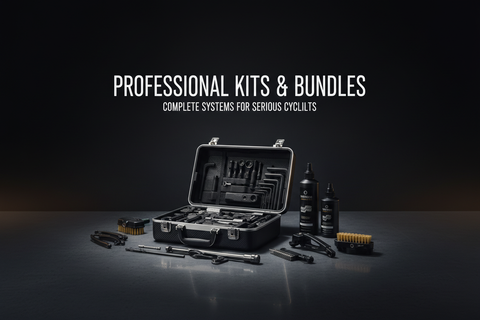
A roadside stop is easier when you and your riding mates have a plan. The TPU Tube Repair Bundle - Complete Ultra-Light Repair System brings together a TPU tube, TPU repair supplies and tyre levers. Check the current contents, tube size and compatibility before ordering, then add a suitable inflation method. The graphic shows selected associated products, not an inventory of every bundle component.

Pack smart, look out for one another and keep the café stop on the plan.


Inserisci commento