
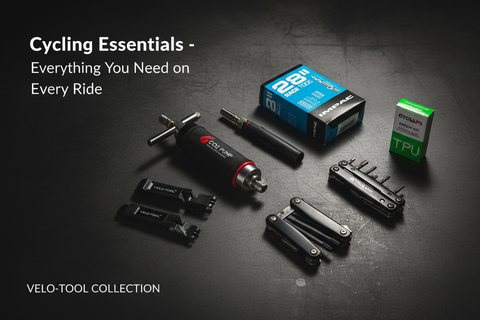

TPU Tube Repair Guide
Repair ultra-light TPU (Thermoplastic Polyurethane) tubes with specialized glueless patch systems. This guide covers TPU tube characteristics, repair techniques, and maintenance for these high-performance inner tubes.
TPU Repair Products
Professional TPU Repair Kit - Glueless Patch System
Complete glueless patch system designed specifically for TPU tubes. Includes cleaning pads and multiple patch sizes for reliable repairs.
RideNow Professional TPU Repair System
Complete TPU tube repair kit with professional-grade patches and tools for ultra-light tube maintenance.
VELO-TOOL TPU Inner Tubes
Premium TPU tubes - 50% lighter than butyl, puncture-resistant, and high-performance for road and gravel cycling.
Understanding TPU Tubes
What Makes TPU Different
- Weight: 50-70% lighter than butyl tubes (typically 20-35g vs 80-100g)
- Material: Thermoplastic polyurethane - different from rubber
- Puncture Resistance: More resistant to pinch flats
- Rolling Resistance: Lower than butyl tubes
- Durability: Doesn't degrade over time like rubber
- Repair: Requires special glueless patches (traditional patches won't work)
Why TPU Needs Special Repair
- Traditional rubber patches and glue don't bond to TPU
- TPU material requires specific adhesive chemistry
- Glueless patches use pressure-activated adhesive
- Surface preparation is critical for successful repair
Step-by-Step TPU Tube Repair
Step 1: Locate the Puncture
- Remove wheel and tire from bike
- Remove TPU tube from tire
- Inflate tube slightly to make puncture easier to find
- Listen for hissing air or feel for escaping air
- Mark puncture location with pen or finger
- Submerge in water if puncture not obvious (look for bubbles)
Step 2: Prepare the Repair Area
- Deflate Tube: Remove all air from tube
- Clean Surface: Use included alcohol cleaning pad
- Wipe Thoroughly: Remove all dirt, oil, and debris
- Dry Completely: Wait 2-3 minutes for alcohol to evaporate
- Light Abrasion: Gently roughen surface with fine sandpaper (if included)
- Clean Again: Wipe with second alcohol pad
Step 3: Apply the Patch
- Select Patch Size: Choose patch larger than puncture hole
- Remove Backing: Peel protective film from adhesive side
- Don't Touch Adhesive: Handle patch by edges only
- Center on Puncture: Position patch over hole
- Apply Firmly: Press patch down from center outward
- Remove Top Film: Peel away outer protective layer
- Press Hard: Apply firm pressure for 30-60 seconds
Step 4: Activate the Bond
- Inflate Slightly: Add small amount of air to tube
- Flex and Stretch: Gently flex patch area to activate adhesive
- Press Again: Apply firm pressure around entire patch
- Wait 5 Minutes: Let adhesive bond fully before installation
- Test Seal: Inflate tube and check for leaks
Step 5: Reinstall Tube
- Deflate tube completely
- Check inside tire for debris or sharp objects
- Remove any thorns, glass, or wire
- Install tube starting at valve
- Ensure tube isn't twisted or pinched
- Mount tire beads carefully
- Inflate to recommended pressure
- Check patch area for leaks
Field Repair vs Home Repair
Trail/Roadside Repair
Quick Method (Emergency):
- Locate puncture quickly
- Clean with alcohol pad (essential)
- Apply patch with firm pressure
- Wait 2-3 minutes minimum
- Reinstall and inflate carefully
- Ride cautiously, check pressure frequently
Home/Workshop Repair
Proper Method (Permanent):
- Take time to locate puncture precisely
- Clean thoroughly with multiple alcohol wipes
- Light abrasion for better adhesion
- Apply patch with maximum pressure
- Wait full 5-10 minutes for bond
- Test thoroughly before use
- Consider replacing tube if multiple patches
Common TPU Repair Mistakes
Mistakes to Avoid
- Using Traditional Patches: Rubber patches won't bond to TPU
- Skipping Cleaning: Dirty surface = failed patch
- Touching Adhesive: Oils from fingers reduce bond strength
- Insufficient Pressure: Patch needs firm, even pressure
- Rushing the Bond: Wait full time for adhesive to cure
- Not Removing Debris: Sharp object still in tire will re-puncture
Why Patches Fail
- Surface not cleaned properly
- Alcohol not fully evaporated before patch application
- Patch too small for puncture size
- Insufficient pressure during application
- Tube inflated too soon after patch
- Old or expired patches (adhesive degraded)
TPU Tube Maintenance
Storage and Care
- Avoid Sharp Folds: TPU can crease - fold gently
- Store Inflated: Keep slight pressure when storing long-term
- Avoid Heat: Don't leave in hot car or direct sunlight
- Check Valve: Ensure valve core is tight
- Inspect Regularly: Look for wear or damage
Inflation Tips
- Check Pressure Often: TPU loses air faster than butyl
- Inflate Before Rides: Top up pressure before each ride
- Use Correct Pressure: Follow tire manufacturer recommendations
- Avoid Over-Inflation: Can stress TPU material
When to Replace TPU Tubes
- Multiple patches (3 or more)
- Valve damage or leaking
- Visible wear or thin spots
- Patches not holding
- Tube stretched or deformed
What to Carry for TPU Repairs
Minimal Kit (Road Racing)
- 1x spare TPU tube
- TPU patch kit (backup)
- CO2 inflator + 2x cartridges
- Tire levers
Standard Kit (Training/Commuting)
- 1x spare TPU tube
- TPU patch kit with multiple patches
- Alcohol cleaning pads (extra)
- CO2 inflator + 2-3x cartridges
- Tire levers
- Multi-tool
Extended Kit (Touring/Gravel)
- 2x spare TPU tubes
- Complete TPU patch kit
- Extra alcohol pads
- CO2 inflator + 3-4x cartridges
- Mini hand pump (backup)
- Tire levers and boot
- 1x butyl tube (emergency backup)
TPU vs Butyl Tubes
| Feature | TPU Tubes | Butyl Tubes |
|---|---|---|
| Weight | 20-35g (ultra-light) | 80-100g (standard) |
| Air Retention | Good (check before rides) | Excellent (holds weeks) |
| Puncture Resistance | Better (fewer pinch flats) | Good |
| Rolling Resistance | Lower (faster) | Higher |
| Repair Method | Glueless TPU patches | Traditional glue patches |
| Durability | Excellent (doesn't age) | Good (degrades over time) |
| Price | Higher | Lower |
| Best For | Racing, performance, weight savings | Touring, commuting, budget |
Troubleshooting TPU Repairs
Patch Won't Stick
- Surface not clean enough - clean again thoroughly
- Alcohol not fully evaporated - wait longer
- Old patches - adhesive may be expired
- Insufficient pressure - press harder and longer
- Wrong patch type - ensure it's TPU-specific
Patch Leaking at Edges
- Patch too small - use larger patch
- Edges not sealed - press edges firmly
- Surface contaminated - clean and re-patch
- Puncture extends beyond patch - use bigger patch
Can't Find Puncture
- Inflate tube more for easier detection
- Submerge in water - look for tiny bubbles
- Check valve core - may be loose or damaged
- Listen carefully in quiet environment
- Feel for air with wet fingers
Tube Keeps Puncturing
- Sharp object still in tire - inspect thoroughly
- Rim tape damaged - check and replace
- Spoke protruding - file down or replace
- Tire worn or damaged - replace tire
- Incorrect tire pressure - adjust to proper PSI
Pro Tips for TPU Success
- Carry Spare Tube: Faster than field repair, patch tube at home
- Fresh Patches: Replace patch kit annually for best adhesion
- Clean Hands: Wash hands before handling patches
- Practice at Home: Try repair before you need it on road
- Check Pressure Daily: TPU loses air faster than butyl
- Gentle Installation: TPU can tear more easily during mounting
- Quality Tire Levers: Use smooth plastic levers to avoid damage
Shop TPU Tubes and Repair Products
Upgrade to ultra-light TPU tubes and keep them maintained with professional repair kits.
Need help with other repairs? See our Installation Guides & Tutorials for comprehensive maintenance guides.